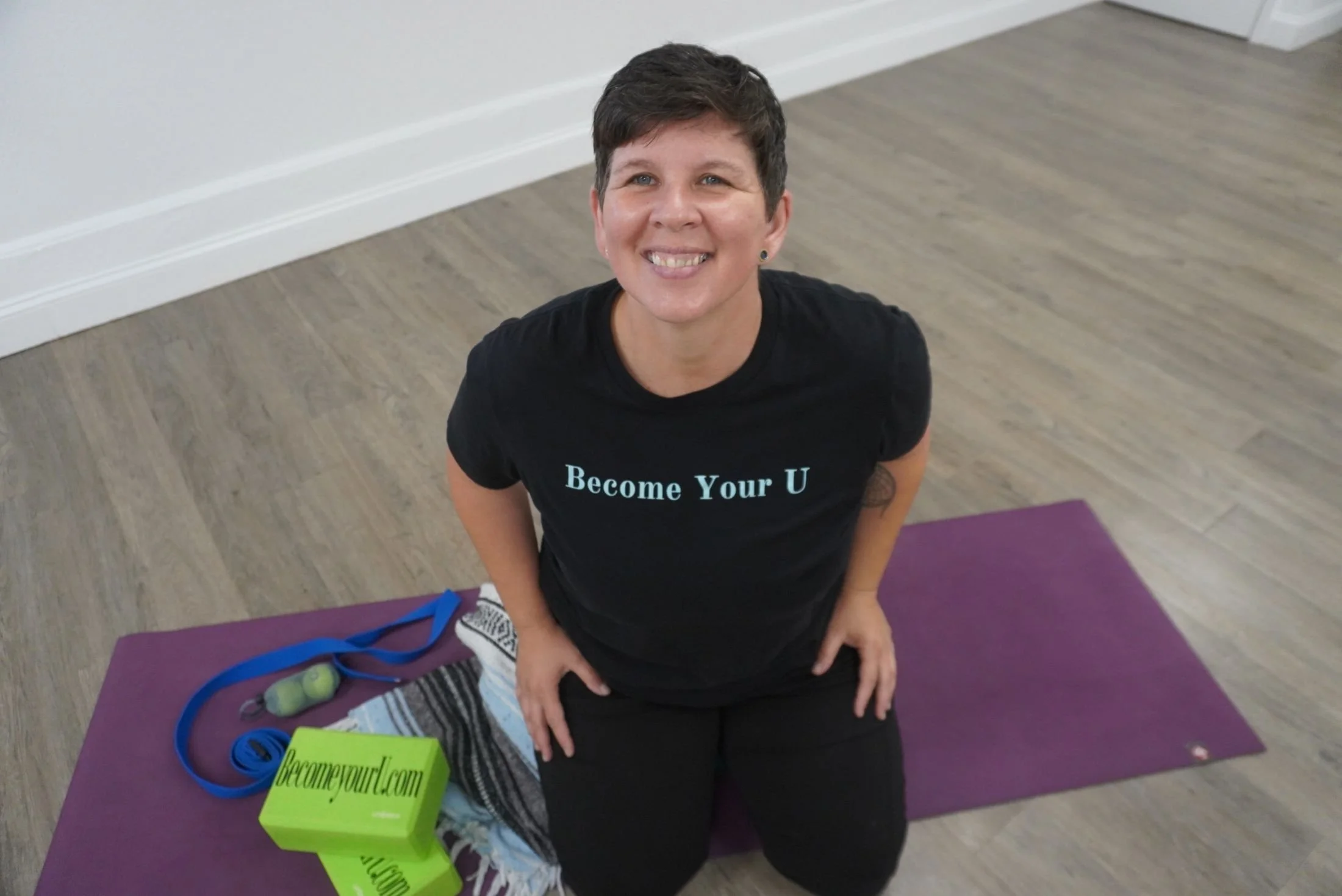
Kristine Wilson is a private yoga instructor, somatic movement guide, and stretch specialist devoted to helping others reconnect with their bodies through gentle, intentional movement. She guides students through restorative yoga and slow flow hatha practices that support nervous system regulation, postural integrity, and emotional well-being.
Her journey began not as a teacher, but as a student seeking healing, relief from chronic stress, and a deeper sense of embodiment. Over time, yoga became more than a practice—it became a way of listening, softening, and returning home to herself. That shift sparked her mission: to help others move with intention, feel safe in their bodies, and build resilience from the inside out.
Kristine’s teaching blends the grounding poses of hatha yoga with the nurturing stillness of restorative work. She emphasizes the five essential movements of the spine—flexion, extension, lateral flexion, rotation, and axial elongation—as a foundation for functional strength and nervous system support. These movements, when explored with breath and presence, can unlock deep patterns of tension and restore ease in both body and mind.
As a mental health advocate and member of the LGBTQ+ community, Kristine approaches her teaching with warmth, patience, and deep respect for each person’s lived experience. Her sessions are designed to be emotionally safe, accessible, and empowering—especially for those navigating chronic tension, pain, or emotional overwhelm.
Through her podcast Lessons with a Private Yoga Instructor, Kristine offers calming, prop-supported practices and guidance to help listeners move gently, breathe deeply, and reconnect with how they want to feel. Whether in private sessions or online content, her goal is to create space for healing, curiosity, and real human connection— beginning from the ground up, building a strong foundation in your practice.
About Kristine Wilson
Why I Teach the Way I Do
I teach yoga because I know what it feels like to move through the world carrying heaviness — in your mind, in your body, and in your breath. I know how overwhelming it can be to take care of yourself when everything feels tight, foggy, or unfamiliar. And I also know how powerful it is to have even one space where you feel welcome, supported, and not judged for where you are.
My teaching is rooted in accessibility, compassion, and real human connection. I believe yoga should feel like a homecoming, not a performance — a space where every body, every ability, every identity, and every level of experience is invited to show up exactly as they are. No pressure. No expectations. No need to “fix” anything.
This guide, and every session I offer, reflects that. I create practices for people who feel overwhelmed, disconnected from their bodies, or unsure where to begin. For people living with pain, limited mobility, or emotional heaviness. For anyone who has ever felt like traditional yoga spaces weren’t made for them. You deserve a place where you feel safe, supported, and truly welcome.
Movement won’t solve everything, but it can help you breathe again. It can soften the edges. It can remind you that your body is not the enemy, but a place you can return to for steadiness, comfort, and relief. That’s the heart of my work — creating spaces where you can reconnect, regulate, and feel at home in yourself again.
Why Practice with Kristine
Because your body deserves more than a one-size-fits-all flow.
These sessions are not pre-recorded. They’re not AI-generated. They’re not about pushing through. They’re about presence.
When you practice with me, you’re met exactly where you are—physically, emotionally, energetically. Together, we co-create a space that’s safe, responsive, and rooted in real relationship.
Using a blend of Hatha, slow flow, and restorative yoga, I guide you through breath-led movement that supports your nervous system, strengthens your body, and invites deep rest. Whether online or in person, every session is one-on-one, real-time, and attuned to you.
This is yoga as connection. This is movement as healing. This is your practice—held with care.
Who Can Benefit from Our Practice:
A gentle space for real people with real bodies — especially those seeking steadiness, support, or a softer, more compassionate way to move, breathe, and rebuild trust in themselves.
Individuals Living With Stress or Anxiety
People who want a gentler way to settle their nervous system through slow, mindful movement and supportive rest.
Individuals with Muscle Imbalances
People who want to gently rebalance their bodies and support healthier alignment through slow, mindful movement.
People with Chronic Muscle Tension
Individuals who carry ongoing tension in their bodies and want gentle, supportive practices to soften tight areas, release holding patterns, and invite deeper relaxation.
Individuals with Low Mobility
People who want to gently increase their range of motion and move with more ease through supportive, accessible practices.
Mental Health Advocates
People who care deeply about mental well‑being and want gentle, holistic practices that support emotional balance and whole‑body care.
People Seeking Personalized Attention
Individuals who feel most supported in one‑on‑one sessions where the practice is shaped around their unique needs, pace, and goals.
Individuals Drawn to Holistic Healing
People who want to explore how gentle yoga and somatic awareness can support their whole‑body well‑being.
Those Recovering from Injury
Individuals healing from physical injuries who want gentle, supportive movement to rebuild trust in their bodies and move with more ease as they recover.
People Looking for Deep Relaxation
Individuals who want to unwind, soften, and experience deep rest through gentle, restorative practices that calm the nervous system and ease stress.
Individuals Seeking Greater Self‑Awareness
People who want to deepen their connection with their bodies and explore gentle movement as a pathway to clarity, healing, and inner understanding.
People Wanting More Stability and Confidence in Movement
Individuals who want to feel steadier and more supported in their bodies — whether due to aging, injury recovery, or nervous‑system sensitivity. These gentle practices use grounding, breath, and prop‑supported shapes to build trust, ease, and confidence in everyday movement.
Expectant Mothers
Pregnant individuals seeking gentle, supportive movement to ease discomfort, improve rest, and feel more grounded and connected throughout pregnancy.
The Aftereffects of the Modern Day Lifestyle
Modern life places enormous pressure on both the body and the mind. Many of us sit more than we move, breathe shallowly without realizing it, and spend long hours in front of screens. Over time, this can create chronic tension, digestive discomfort, fatigue, and a sense of physical disconnection. Sedentary habits, irregular eating patterns, and the constant rush of daily life can contribute to issues like inflammation, poor circulation, and overall imbalance in the body.
Emotionally, the nonstop pace of technology adds another layer of strain. The urge to constantly check emails, messages, and social media keeps the nervous system in a heightened state of alert. This “always on” culture can increase stress, anxiety, and feelings of comparison or inadequacy. The pressure to respond quickly, stay productive, and maintain a certain online presence can quietly erode self-esteem and mental well-being.
These patterns don’t make you weak or undisciplined — they’re simply the reality of the world we’re living in. But they do take a toll. Rising rates of anxiety, depression, burnout, and chronic stress are not personal failures; they’re signs that our systems are overwhelmed and under-supported.
This is why gentle, intentional movement matters. When you slow down, breathe deeply, and move with awareness, you interrupt the cycle of tension and reactivity that modern life creates. You give your body a chance to unwind. You give your mind a moment of quiet. You give your nervous system a pathway back to steadiness.
My work is designed to support exactly this — helping you counter the effects of modern living through practices that regulate your system, restore ease, and reconnect you to yourself.
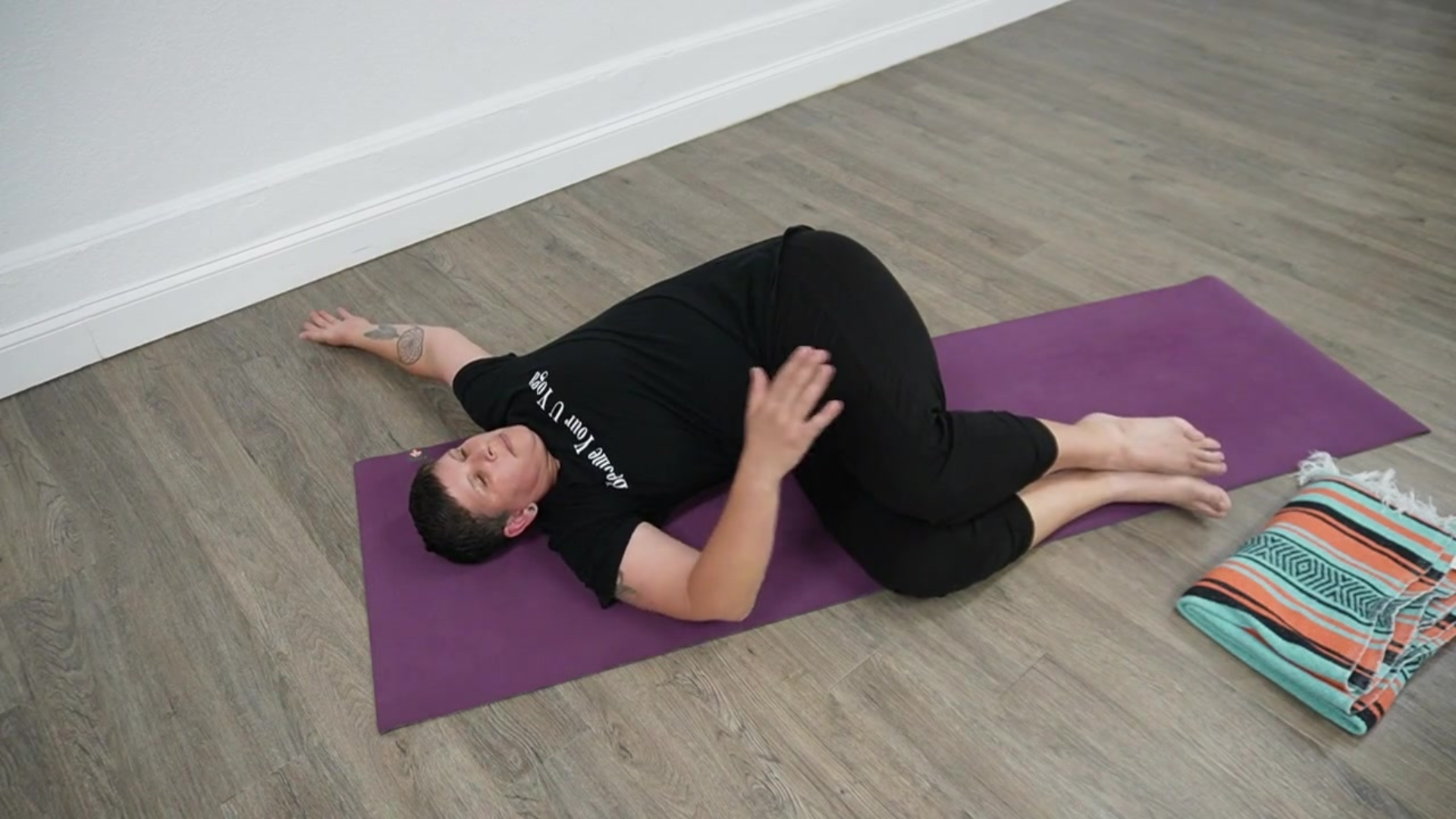
A moment from my podcast practice — a gentle pause from Lessons with a Private Yoga Instructor
Why Restorative Yoga and Slow Flow Belong Together
A gentle balance of movement and stillness that supports your whole system
Restorative yoga and slow flow hatha are two practices that support the body in different but deeply complementary ways. Slow flow hatha helps you build awareness, strength, and mobility through simple, intentional movements. It reconnects you to your breath, improves circulation, and gently awakens the body without overwhelm.
Restorative yoga, on the other hand, invites deep rest. With the support of props, your body is able to fully release effort, allowing your nervous system to settle and your mind to quiet. This stillness creates space for emotional regulation, softening, and recovery.
When these two practices are combined, they create a powerful balance — movement that awakens and steadies you, paired with rest that restores and regulates you. Together, they help you build resilience, reconnect with your body, and cultivate a sense of ease that carries into the rest of your life.